When choosing an air conditioning system for a home or office, understanding the differences between mini split AC units and window AC units is essential. Both types serve the primary purpose of cooling indoor spaces but differ significantly in terms of comfort, cost, and efficiency. These factors influence which option may be better suited to individual needs and preferences.
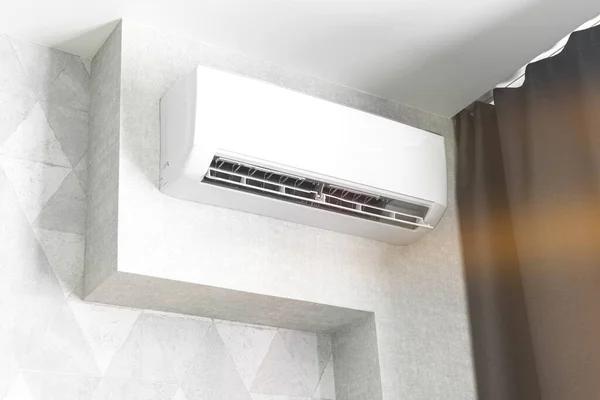
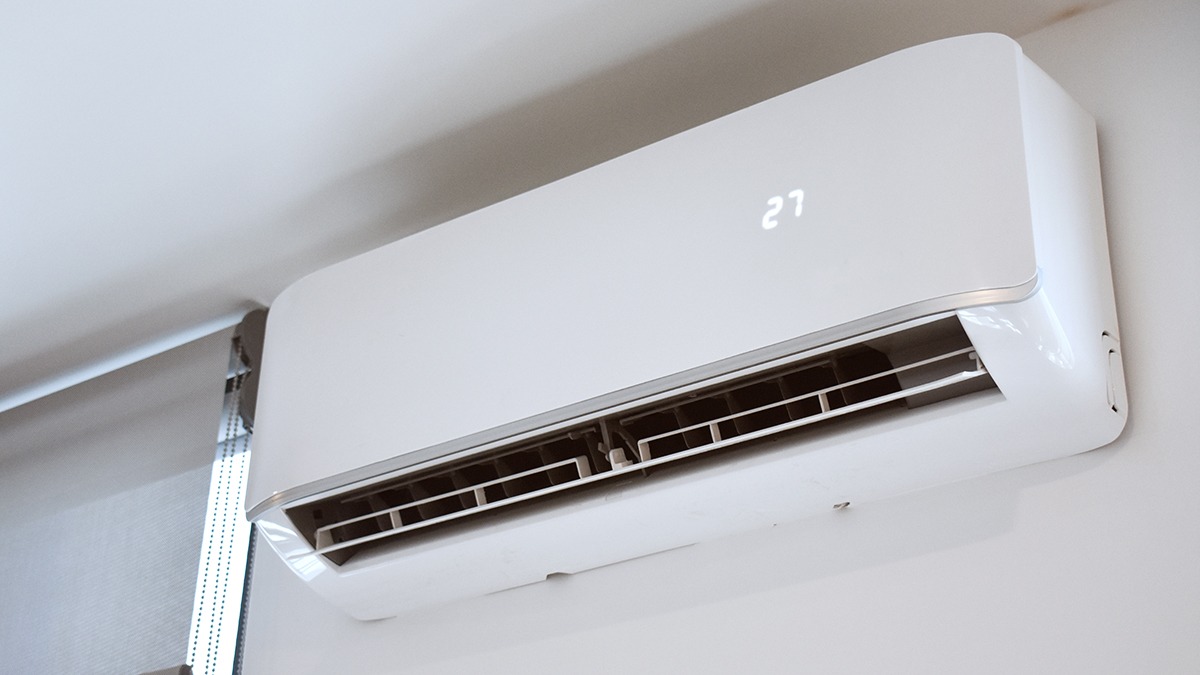
Mini split air conditioners consist of two main components: an outdoor compressor and one or more indoor air-handling units. They are known for providing consistent temperature control throughout a room because they distribute cool air evenly without obstructing windows. This design enhances comfort by reducing hot spots and drafts often associated with window units. Additionally, mini splits operate quietly since the noisy compressor is located outside, making them ideal for bedrooms or offices where noise reduction is important.
In contrast, window AC units are self-contained systems installed directly into a window frame or through a wall opening. They tend to be less expensive upfront compared to mini splits but have limitations in terms of aesthetics and functionality. Window units can block natural light and views from windows while sometimes causing vibrations or noise inside the room. Their cooling capacity generally suits smaller areas, so they might struggle to maintain uniform temperatures in larger rooms or open floor plans.
Cost considerations extend beyond initial purchase price to include installation expenses and long-term operating costs. Mini splits usually require professional installation due to their complex setup involving refrigerant lines and electrical connections; this can increase upfront costs significantly compared to relatively simple window unit installations that homeowners can perform themselves in many cases. However, mini splits tend to offer greater energy efficiency because they use inverter technology that adjusts compressor speed based on cooling demand rather than cycling on and off repeatedly like most window models do.
Energy efficiency plays a crucial role when evaluating these options since it impacts monthly utility bills as well as environmental footprint. Mini split systems typically achieve higher Seasonal Energy Efficiency Ratios (SEER) than window ACs, translating into lower electricity consumption over time if used properly. Moreover, many mini splits provide additional features such as heating capabilities during colder months or advanced filtration systems that improve indoor air quality.
Ultimately, selecting between a mini split ac depends on specific requirements related to space size, budget constraints, aesthetic preferences, noise tolerance levels, and desired energy savings. For those seeking quiet operation with superior temperature control across multiple zones within their living area-despite higher initial investment-a mini split system is often preferable. Meanwhile, individuals needing affordable cooling solutions for small rooms with minimal installation hassle may find traditional window air conditioners sufficient for their needs.
Both options have merits depending on context; carefully weighing comfort benefits against financial implications will guide consumers toward informed decisions tailored to their unique circumstances regarding climate control solutions at home or work environments alike.