
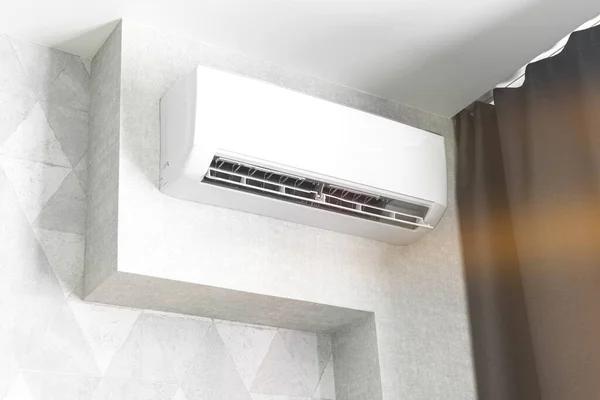
Advanced mini split systems have revolutionized indoor air quality by integrating sophisticated features designed to create healthier living environments. Unlike traditional HVAC units, these systems combine efficient heating and cooling with advanced filtration and purification technologies that actively improve the air inside homes and commercial spaces. One of the key advancements is the incorporation of high-efficiency particulate air (HEPA) filters or electrostatic filters within the indoor units. These filters capture airborne particles such as dust, pollen, pet dander, and even microscopic pollutants that commonly trigger allergies or respiratory issues. By continuously cycling air through these filters, mini splits help reduce contaminants significantly compared to standard filtration methods.
In addition to superior filtration, many modern mini splits include ultraviolet (UV) light technology integrated into their design. UV lights target bacteria, viruses, mold spores, and other microorganisms by disrupting their DNA structure as air passes over them. This process effectively neutralizes harmful pathogens without releasing chemicals or ozone into the environment. UV treatment complements mechanical filtering by addressing biological contaminants that are otherwise difficult to remove from indoor spaces.
Another feature enhancing indoor air quality is humidity control. Proper moisture balance plays a critical role in preventing mold growth and maintaining comfort levels conducive to healthful breathing conditions. Advanced Mini Split systems often incorporate built-in humidification or dehumidification functions alongside temperature regulation. These capabilities allow users to maintain optimal relative humidity between 30% and 50%, which reduces airborne irritants while minimizing conditions where allergens thrive.
Smart technology integration further elevates the performance of these systems in managing indoor environments efficiently. Through app connectivity and sensors placed throughout living areas, users can monitor real-time air quality metrics including particulate matter concentration and volatile organic compounds (VOCs). The system can then automatically adjust fan speeds or activate additional purification modes based on detected pollution levels without manual intervention.
Energy efficiency remains a priority in advanced mini splits despite their enhanced functionalities for cleaner air. Variable speed compressors adjust power consumption dynamically according to demand rather than operating at full capacity constantly; this ensures consistent airflow necessary for effective filtration while conserving energy resources.
Overall, advanced mini split features represent a significant improvement over conventional HVAC solutions by delivering not only precise climate control but also proactive measures against airborne pollutants and allergens. Their ability to filter particulates thoroughly, disinfect microbes with UV light, regulate humidity precisely, and adapt intelligently through smart controls makes them an ideal choice for anyone seeking healthier indoor atmospheres year-round with minimal environmental impact or maintenance effort required.


