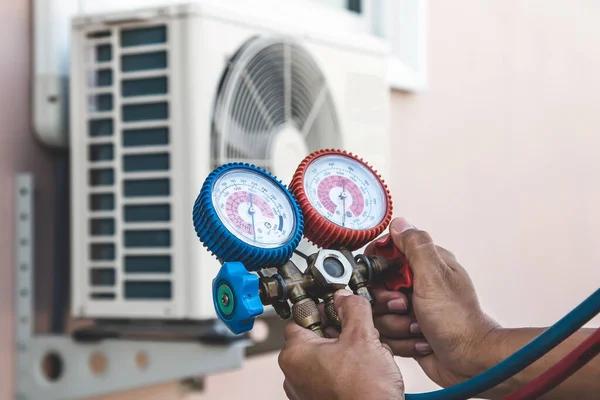
Accredited calibration services play a crucial role in helping organizations maintain regulatory compliance across various industries. Calibration ensures that measuring instruments and equipment provide accurate and reliable results, which is essential for meeting the stringent requirements set by regulatory bodies. When calibration services are accredited, it means they have been independently assessed and verified to meet specific standards, typically those outlined by internationally recognized organizations such as ISO/IEC 17025. This accreditation guarantees that the calibration process adheres to rigorous quality protocols, providing confidence in the accuracy of measurements.
Regulatory agencies often require companies to demonstrate traceability of their measurement results to national or international standards. Accredited calibration laboratories offer this traceability through documented procedures and certified reference materials. By utilizing these services, businesses can ensure that their instruments are calibrated against benchmarks accepted worldwide, reducing explore the options risk of non-compliance due to inaccurate data. Accurate measurements are vital not only for product quality but also for safety and environmental protection, all of which fall under regulatory oversight.
In addition to ensuring precision, accredited calibration services support compliance by maintaining detailed records and certificates of calibration. These documents serve as proof during audits or inspections conducted by regulatory authorities. Having accessible and verifiable documentation helps organizations avoid penalties or operational disruptions caused by inadequate measurement controls. Furthermore, these records assist in identifying trends or deviations over time, enabling proactive maintenance and preventing potential compliance issues before they arise.
The use of accredited calibrations also fosters consistency within manufacturing processes or laboratory testing environments where precise measurements impact decision-making outcomes. Consistent accuracy reduces variability in production lines or experimental data analysis, aligning with quality management systems like ISO 9001 that regulators frequently reference during assessments. Consequently, companies relying on accredited calibrations demonstrate commitment to maintaining high standards throughout their operations.
Moreover, partnering with an accredited service provider can streamline internal workflows related to instrument management by offering expert guidance on proper handling, storage conditions, frequency of recalibration intervals based on usage patterns or industry-specific regulations. This expertise minimizes human error risks associated with manual adjustments while optimizing resource allocation dedicated to compliance efforts.
In summary, accredited calibration services underpin regulatory compliance by guaranteeing measurement reliability backed by recognized standards and comprehensive documentation practices necessary for audit readiness. They enhance confidence among stakeholders regarding product integrity while supporting continuous improvement initiatives through systematic monitoring of instrument performance over time. Embracing these services ultimately safeguards organizational reputation and operational continuity within regulated environments where precision cannot be compromised.